
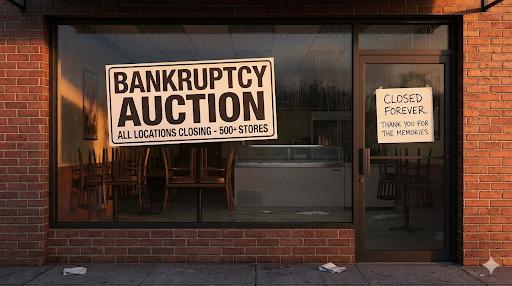
The news has hit hard: a major ice cream chain is closing 500 locations due to bankruptcy. Consequently, many ice cream lovers are disappointed. This closure impacts employees, customers, and the overall ice cream market due to Ice Cream Chain Bankruptcy. But what exactly led to this unfortunate situation? Let’s explore the details ABS Test Solution
What Happened? The Scoop on the Ice Cream Chain Bankruptcy
Several factors likely contributed to the bankruptcy. For example, increased competition from other ice cream shops and frozen dessert options played a role. Additionally, rising costs of ingredients and labor put a strain on the company’s finances. Changing consumer preferences might have also impacted sales. Consequently, the company struggled to maintain profitability.
Bankruptcy is a legal process. Therefore, it allows companies facing financial difficulties to reorganize or liquidate assets. In this case, the ice cream chain chose to close a significant number of locations. This decision, however difficult, aims to stabilize the company’s finances and potentially restructure for the future.
The Impact of Ice Cream Chain Bankruptcy on Employees and Customers
The closure of 500 locations means job losses for many employees. This is, of course, a major concern. The company likely offered severance packages and outplacement services to help affected workers. Finding new employment, however, remains a challenge for many.
Customers who frequented these locations are also affected. Their favorite ice cream spot is now closed. Consequently, they must find alternative places to satisfy their sweet cravings. Loyalty programs and gift cards may become unusable, adding to their frustration.
Analyzing the Reasons Behind the Ice Cream Chain Bankruptcy
Let’s delve deeper into the potential reasons behind the bankruptcy. Several industry trends could have contributed. These include:
* **Increased Competition:** The ice cream market is highly competitive. New players and innovative dessert options constantly emerge. Therefore, established chains must adapt to stay relevant.
* **Rising Costs:** The price of ingredients like milk, sugar, and flavorings fluctuates. Labor costs also continue to rise. Consequently, these increased expenses put pressure on profit margins.
* **Changing Consumer Preferences:** Consumers are increasingly health-conscious. They seek out healthier alternatives like frozen yogurt or vegan ice cream. As a result, traditional ice cream chains need to offer more diverse options.
* **Poor Management Decisions:** In some cases, poor management decisions can contribute to financial difficulties. Overexpansion, ineffective marketing, or failure to adapt to market trends can all play a role. Consequently, this can cause big problems.
Adapting to Survive: Lessons for Other Ice Cream Chains
This bankruptcy serves as a lesson for other ice cream chains. Adaptation is key to survival in a competitive market. Here are some strategies to consider:
1. **Innovation:** Offer new and exciting flavors and products. Consequently, keep customers engaged and attract new ones.
2. **Cost Management:** Streamline operations to reduce expenses. Negotiate better deals with suppliers. Therefore, improve profitability.
3. **Customer Engagement:** Build strong relationships with customers through loyalty programs and personalized marketing. Consequently, retain existing customers and attract new ones.
4. **Embrace Technology:** Use technology to improve efficiency and customer service. Online ordering, mobile apps, and data analytics can provide a competitive edge.
The Future of the Ice Cream Industry
Despite this setback, the ice cream industry remains strong. Consumers will always crave a sweet treat. However, businesses must adapt to changing market dynamics to succeed. Innovation, cost management, and customer engagement are crucial. Consequently, it will make the difference between thriving and failing.
The bankruptcy of this ice cream chain is a reminder of the challenges facing businesses today. However, by learning from this experience, other companies can avoid a similar fate. The key is to stay agile, adapt to change, and always put the customer first. Consequently, they can survive and prosper.
Will AI Save the Ice Cream Industry?
AI might play a role in the future of the industry. For instance, AI tools can help optimize supply chains, predict customer preferences, and personalize marketing efforts. Consequently, it will lead to increased efficiency and profitability. AI can also assist in developing new and exciting ice cream flavors. AI can also optimize distribution logistics. Therefore, integrating AI could give ice cream companies a competitive edge. AI is constantly growing.
Frequently Asked Questions (FAQ)
Here are some common questions about the ice cream chain’s bankruptcy:
Why did the ice cream chain file for bankruptcy?
Several factors contributed, including increased competition, rising costs, and changing consumer preferences. Consequently, the company struggled to maintain profitability.
How many locations are closing?
The company is closing 500 locations as part of its bankruptcy restructuring.
What will happen to employees?
The company will likely offer severance packages and outplacement services to help affected workers find new employment. However, the job market is still a challenge.
What can other ice cream chains learn from this?
Adaptation is crucial. Chains should focus on innovation, cost management, customer engagement, and technology. Consequently, it ensures that businesses remain competitive.
How might AI impact the ice cream industry?
AI can optimize supply chains, predict customer preferences, personalize marketing, and develop new flavors. Therefore, it offers a competitive advantage.